
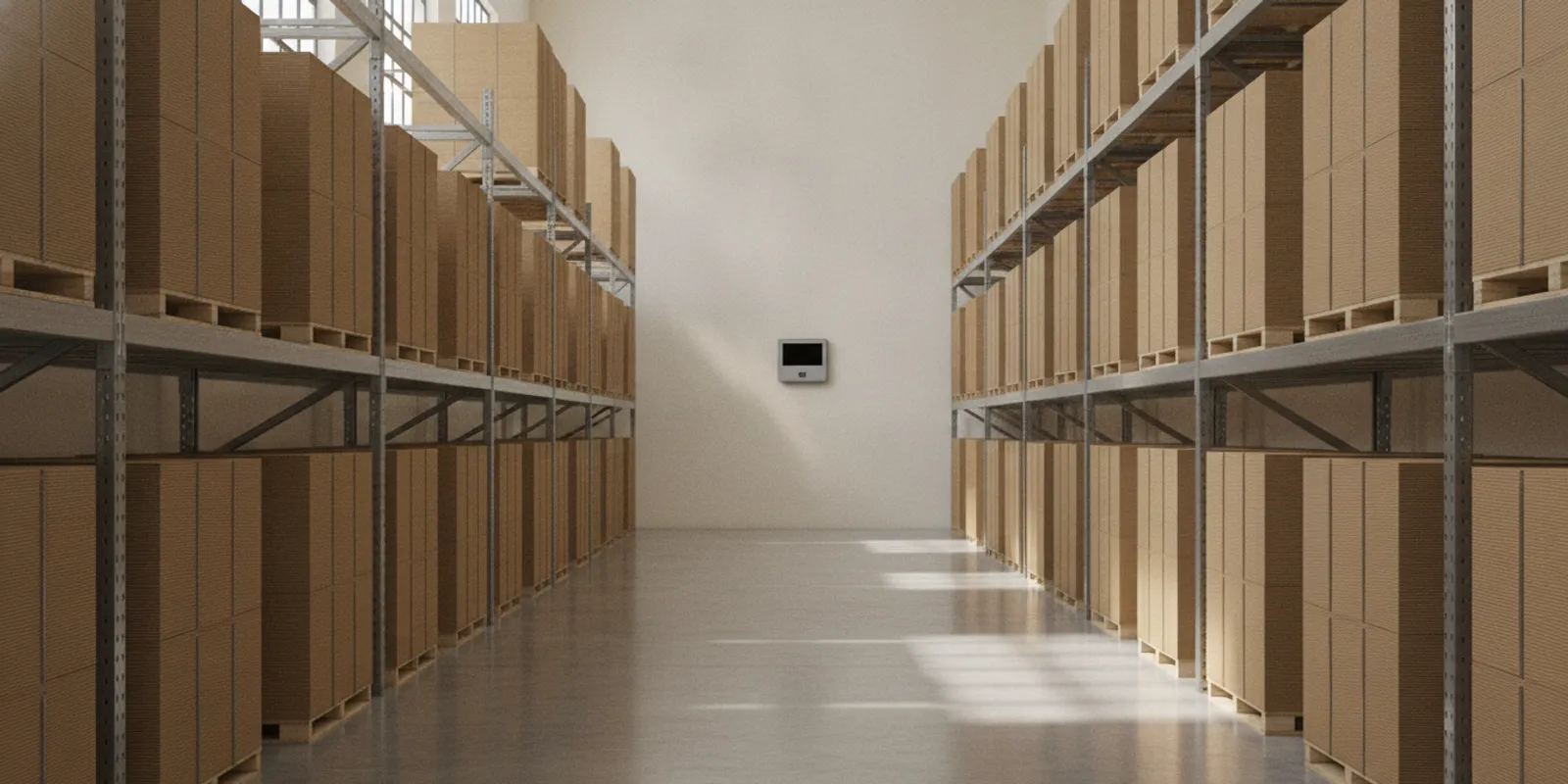
Corrugated board humidity storage deserves attention anywhere boxes wait before packing, shipping, or production use. Moisture in the air can affect paper fibers, while direct water, condensation, and poor handling can create additional risks. A few simple controls—keeping cartons dry, off the floor, and away from changing conditions—help protect box performance. The right approach depends on the product, the package design, the warehouse, and the time in storage.
How can humidity affect corrugated board?
Corrugated board is made primarily from paper. Paper fibers respond to moisture in the surrounding air. As relative humidity rises, the board can absorb moisture and its strength may change. That matters because a box needs to hold its shape while being stacked, handled, and transported.
The effect is not a simple pass-or-fail rule. A box’s performance also depends on its board construction, dimensions, joints, design, load, stacking pattern, and exposure duration. Conditions can vary within one building, too. A dry area near an interior wall may behave differently from a loading area beside an open dock door. Storage decisions should account for the actual environment and how the package will be used.
A Clemson University thesis on corrugated boxes reports that above 30 percent relative humidity, paper fibers are affected, resulting in a decrease in top-to-bottom compression strength. This is a research finding, not a universal operating limit for every box or warehouse. It reinforces why teams should evaluate their own packaging and conditions instead of assuming that a carton’s rated performance remains unchanged in every environment. Read the Clemson research on relative humidity and corrugated box compression strength.
Direct contact with water is a separate and more obvious risk. Research on corrugated board notes that water or moisture can damage its mechanical properties and that water-soaked board can collapse readily. That is why a leak, wet floor, or condensation event calls for inspection and isolation of affected cartons rather than simply allowing them to dry in place. Review research on humidity, temperature, and corrugated-board properties.
What storage conditions should you watch?
Humidity is one part of the environment. Warehouse teams should also pay attention to temperature changes, water sources, airflow, and how cartons are staged. These conditions can interact. For example, a temperature shift may contribute to condensation on a cool surface when warmer, humid air reaches it. The practical concern is any exposure that leaves board damp or causes conditions to fluctuate around stored packaging.
- Relative humidity: Monitor how damp or dry the storage environment becomes over time, not only during one inspection. Seasonal changes and weather can influence conditions.
- Leaks and spills: Check roofs, plumbing, sprinklers, dock areas, and nearby processes for possible sources of liquid water. Respond promptly when an area or pallet becomes wet.
- Floor and wall contact: Pallets or cartons placed directly on concrete or tight against an exterior wall can be exposed to moisture, cleaning, leaks, or local temperature differences.
- Air movement: Avoid blocking vents or packing cartons so tightly that air cannot circulate around stored materials. Do not direct a fan or heater at a stack as a substitute for controlling the overall environment.
- Temperature swings: Watch areas where warm and cool conditions meet, such as receiving zones and doors that open frequently. Allow packaging to acclimate when it moves between markedly different environments.
- Storage duration: A short staging period and a long inventory hold are not the same. The longer cartons remain stored, the more important routine checks and stock rotation become.
Do not assume that a single humidity reading represents every part of a warehouse. If the risk is important to the product or shipping process, measure in the locations where packaging is actually stored and used. A monitor near an exterior wall, a dock, or a damp-prone corner may tell a different story from one in the center of a room.
How should you store corrugated boxes in a warehouse?
Good warehouse habits reduce avoidable exposure and make it easier to spot a problem early. They do not replace packaging designed for a particular load or environment. Start with the storage layout, then make inspection and rotation part of normal inventory handling.
Keep cartons dry and elevated
Store corrugated boxes on clean, dry pallets or shelving rather than directly on the floor. Keep them clear of known leak paths and areas where water can collect. If a pallet is stored near a wall, leave enough space for inspection and airflow, and follow your site’s fire-safety and material-handling requirements.
Use a suitable cover when there is a temporary risk of dust or incidental splash, but do not wrap damp cartons or trap moisture under an impermeable cover. A cover cannot fix a leak or a persistently humid storage space. Investigate the source and make sure the packaging is dry before enclosing it.
Stack with care
Keep stacks stable, aligned, and within the handling limits established for the cartons and pallets. Avoid placing heavy items on top of empty boxes unless the packaging specification allows it. Do not leave cartons overhanging a pallet edge or crushed beneath an uneven load. A softened or distorted bottom carton can compromise the stability of the stack above it.
When boxes arrive in bundles or on pallets, preserve their support during storage and movement. Forklift or pallet-jack contact can damage corners and edges even when the cartons stay dry. Train handlers to avoid punctures, dragged loads, and abrupt impacts. Use clear aisle space so staff do not need to push stacks aside or wedge cartons into unsuitable locations.
Protect packaging during receiving and staging
Receiving and production staging are common transition points. A shipment may move from a truck into a warm or cool building, wait near an open dock, and then travel to a packaging line. Keep the cartons protected during unloading, and avoid leaving them in a location where rain, snow, washdown, or condensation could reach them.
If packages have been exposed to a substantial temperature difference, consider whether they need time to adjust before use. The appropriate interval depends on the conditions and the packaging application; there is no single acclimation period that fits every operation. Inspect the packaging for dampness, warping, soft corners, or unusual odor before putting it into production.
Rotate stock and keep records
Use a first-in, first-out approach where it fits your inventory system. Mark receipt dates or use another traceable method so older packaging does not sit unnoticed behind new stock. Keep cartons in their original protective packaging until they are needed, when practical, and open only the quantity required for the work at hand.
Record recurring observations such as a location, time of year, sensor reading, or visible carton change. These notes can help you determine whether a concern follows one storage area, a particular delivery, or a specific package design. If a recurring pattern appears, involve your packaging supplier and quality team before making broad changes to inventory or specifications.
Which storage practices fit each situation?
The best controls depend on whether packaging is waiting in routine warehouse storage, moving through a receiving area, or exposed to a known moisture risk. Use this comparison to choose a starting point, then adapt it to your facility’s procedures and packaging requirements.
| Situation | Main concern | Practical control | What to check |
|---|---|---|---|
| Long-term warehouse storage | Conditions may change over time; cartons may be forgotten in a corner. | Store elevated, maintain access for inspection, monitor relevant zones, and rotate stock. | Look for dampness, bowed panels, crushed edges, or changes in stack stability. |
| Receiving near an open dock | Rain, snow, outdoor humidity, and temperature shifts can affect incoming packaging. | Move pallets promptly to a protected staging area and keep them covered appropriately. | Inspect top layers, pallet bases, and exposed corners before put-away. |
| Area with a leak or spill | Direct water contact can damage board and weaken the stack. | Stop the source, separate affected materials, and prevent use until evaluated. | Check the full pallet, not only the visibly wet carton; document the event. |
| Packaging line or short-term staging | Cartons may be exposed during unpacking and sit open longer than intended. | Bring forward only the quantity needed and protect remaining stock. | Confirm cartons are clean, dry, undamaged, and suitable for the product load. |
| Product with demanding protection needs | Package failure may affect product integrity or shipping outcomes. | Review the package design, load, storage conditions, and distribution route together. | Ask the packaging designer or supplier what conditions and tests are relevant. |
How can you assess packaging after exposure?
Do not judge a pallet only by its outside wrap. Inspect representative cartons, including those at the bottom of the stack and those nearest the exposure. Look for visible wetness, swollen or wavy panels, softened corners, crushed areas, delamination, or a change in how cartons hold their shape. Compare with an undamaged carton from the same shipment when possible.
Next, consider how the boxes will be used. A carton that looks acceptable when empty may behave differently under a product load or during stacking. If the packaging will protect a valuable, fragile, or otherwise sensitive product, do not treat a visual inspection as proof of performance. Follow your quality procedures and seek advice from the packaging supplier before using materials when their condition is uncertain.
Separate suspect packaging from approved stock so it cannot be picked accidentally. Record the lot or shipment details, storage location, time of discovery, and type of exposure. If a problem repeats, look beyond the carton itself: examine receiving practices, building conditions, pallet layout, and the package specification. A clear record helps the people responsible for packaging and warehouse operations make a specific decision rather than relying on guesswork.
When should you review the box design?
Storage controls are only one part of a reliable packaging plan. Consider a design review if cartons routinely sit in humid conditions, travel through changing climates, carry a heavy load, or show recurring performance problems despite careful handling. The appropriate response may involve changes to the box’s dimensions, board specification, construction, or protective components. It should be based on the product, the expected load, storage time, and distribution route.
A packaging supplier can help translate those requirements into a practical design discussion. Share what the box contains, how it is packed, how long it may be stored, the way it is stacked, and any known exposure during shipping or warehousing. Photos of damaged cartons and notes about where and when the issue occurs can make that conversation more useful.
Volk Packaging provides custom corrugated boxes and packaging supplies, with a packaging prototype process that can help teams consider a package before production. Depending on the product, foam packaging or other protective components may also be part of the solution. No design can remove the need for sensible storage, but matching the package to its actual use can help avoid preventable problems.
For manufacturers, distributors, and producers in New England, a practical review often starts with the box’s job: what it must protect, how it will be handled, how it will be stacked, and what conditions it may encounter. Volk Packaging has served the region as a family-owned corrugated packaging manufacturer and distributor since 1967. Learn more about the Volk Packaging family and its sustainability practices, including corrugated recycling and water-based inks.
How should a team monitor storage conditions?
Choose a repeatable way to check the places where corrugated packaging is kept. A simple log can record the date, location, temperature or relative-humidity reading if available, visible concerns, and corrective action. Use the same locations where possible so readings can be compared over time. If a sensor is moved, note the change; otherwise, a different measurement point may explain the shift.
Monitoring is useful when it leads to a decision. Identify who reviews readings and what to do if conditions move outside the range set by your organization or packaging supplier. There is no single target that fits every board grade, box design, storage period, or end use. Ask the supplier what environmental assumptions apply to the specified packaging and what evaluation is appropriate if conditions differ. Use observations as well as readings: a sensor cannot show a leaking roof, wet pallet, crushed stack, or carton against a cold surface. Combine routine measurements with a walk-through, especially during seasonal transitions or after a building issue.
What should you do when packaging moves between environments?
Packaging may travel from a supplier to a warehouse, wait in staging, and then move to production or fulfillment. Keep loads protected during transit and unloading, and avoid leaving packaging outdoors or beside an open door longer than necessary. If cartons arrive wet, distorted, or with damaged pallet support, flag the condition before mixing them into usable stock. When cartons move between noticeably different temperatures, consider condensation and allow conditions to stabilize before use when the application warrants it. The needed time depends on conditions and use; do not rely on a universal waiting period. Ask your supplier or quality team for guidance for a sensitive product or recurring shipping route.
Keep materials identified as they move through the operation. If multiple box designs are stored together, labels and location records help prevent selection for the wrong product. Close or re-cover opened bundles where appropriate, while making sure material being put away is dry. For a leak or spill, staff should know how to report it, who can isolate affected stock, and which quality contact decides whether it can be used. Separate visibly wet cartons and nearby cartons that may have been exposed. Document the pallet, shipment, location, and extent of the event; do not move a compromised stack into production just to clear an aisle.
After an incident, correct the source of water, keep suspect material identified while it is evaluated, and inspect more than the outermost layer. Follow site safety procedures with damaged loads. Then ask what would prevent a repeat: a repair, revised staging location, better receiving protection, clearer inspection responsibility, or a package review. A brief documented follow-up helps turn the event into an operational improvement. If box performance concerns recur, share the recorded facts with the supplier rather than relying on a general description such as “the boxes got weak.”
What should you include in a storage checklist?
A short checklist makes good storage easier to repeat across shifts and facilities. Assign responsibility for routine checks, and adjust the frequency to the risks and operating procedures at your site.
- At receipt: Check pallets for obvious water exposure, crushed corners, damaged wrap, and unstable loads. Note and separate suspect cartons.
- At put-away: Place packaging on clean, dry supports, away from known leaks and direct floor contact. Keep labels and receipt dates visible.
- During storage: Review humidity and temperature conditions in relevant zones, inspect for water sources, and keep vents and inspection paths clear.
- Before production: Bring forward only the needed quantity. Check cartons for dampness, distortion, contamination, or handling damage.
- After an incident: Isolate affected stock, document the extent and location, and follow quality procedures before releasing any material for use.
- When issues recur: Compare the records, review storage and handling, and discuss the package requirements with your supplier.
Related resources can help with connected decisions. See Volk’s guide to warehouse pallet packaging best practices and its packaging procurement checklist for broader planning considerations.
Share your packaging requirements
Frequently asked questions
Does humidity always make corrugated boxes fail?
No. Humidity can affect paper fibers and box strength, but the result depends on the board, box design, exposure, load, and handling. A humidity reading alone does not determine whether a carton is suitable. Inspect the packaging and assess it against the requirements of the product and shipment.
Can I store corrugated boxes directly on a concrete floor?
It is better to store them on clean, dry pallets or shelving. Elevation reduces exposure to floor moisture, spills, cleaning, and other contact risks. Follow your facility’s safety and storage procedures and keep cartons accessible for inspection.
What should I do if a pallet of boxes gets wet?
Separate the pallet from approved inventory, stop or contain the water source, and inspect the affected cartons and stack. Record what happened and follow your quality process. Do not assume that drying a wet box restores its original performance.
Should I use a plastic cover to protect stored boxes?
A temporary cover may help guard against dust or incidental splash, but it is not a solution for a leak or persistently damp conditions. Avoid covering wet cartons or trapping moisture. Address the source of exposure and confirm the boxes are dry before enclosing them.
How do I know if I need a different box design?
Consider a design review when storage conditions, loads, handling, or distribution demands are contributing to recurring damage or performance concerns. Provide your packaging supplier with details about the product, box use, stacking, storage duration, and exposure so the requirements can be reviewed together.
Consistent, dry storage and careful handling help corrugated packaging do its job, while timely inspection makes problems easier to address before cartons reach the product line or customer.